The pre-construction journey from first registration to moving in can span several years. Here is a detailed look at what happens at each stage of the process.
The Long View: Understanding the Timeline
One of the most significant differences between buying a pre-construction home and purchasing a resale property is the timeline. A resale transaction typically closes within 30 to 90 days. A pre-construction purchase, from initial registration to final closing, can span three to five years or more depending on the project.
Understanding what happens at each stage of this timeline helps you plan effectively, manage expectations, and make informed decisions throughout the process. Here is a detailed look at the journey from first interest to move-in day.
Phase 1: Registration and Research (Months 1-3)
The pre-construction process begins well before you sign any documents. This research and registration phase is when you lay the groundwork for a successful purchase.
What Happens
- Market research: You explore available and upcoming pre-construction projects in your target area, comparing locations, builders, pricing, and housing types
- Agent selection: You connect with a real estate agent who has experience in pre-construction purchases in your target market
- Registration: Your agent registers you with builders for projects you are interested in. For communities like The Valleys of Thornhill in Vaughan, early registration can provide VIP access to pricing and unit selection
- Financial assessment: You obtain a mortgage pre-approval and assess your savings, budget, and financial readiness
Your Action Items
- Define your budget, preferred location, and housing requirements
- Engage a real estate agent before visiting any sales centres
- Register for multiple projects to keep your options open
- Get pre-approved for a mortgage to understand your borrowing capacity
Phase 2: Purchase and Signing (Months 3-6)
Once a project you are interested in moves to its VIP or public sales launch, the purchase phase begins. This is when you commit to a specific home and sign the Agreement of Purchase and Sale.
What Happens
- Unit selection: Based on your preferences and budget, you select a specific lot, floor plan, and exposure
- Agreement review: Your agent and lawyer review the Agreement of Purchase and Sale, identifying any areas of concern and advising on your rights
- Signing: You sign the APS and submit your initial deposit
- Cooling-off period: For freehold homes in Ontario, you have a 10-day cooling-off period during which you can cancel the agreement without penalty and receive a full refund of your deposit
- Design centre visit: If you choose to add upgrades, you visit the builder's design centre to make your selections
Your Action Items
- Have your lawyer review the APS during the cooling-off period
- Understand the deposit schedule and ensure you have funds available for each installment
- Make upgrade decisions within the builder's timeline
- Set up a dedicated savings plan for remaining deposits and closing costs
Phase 3: Deposit Payments (Months 6-18)
After the initial signing, you enter the deposit payment phase. Deposits are typically structured as a series of installments spread over 12 to 18 months.
What Happens
- Scheduled deposits: You make deposit payments according to the schedule in your APS, typically reaching 15% to 20% of the purchase price
- Builder milestones: The builder secures final planning approvals, begins site preparation, and may start foundation work on early phases
- Limited communication: During this period, communication from the builder may be infrequent. Construction updates, if provided, are typically general rather than specific to your unit
Your Action Items
- Make all deposit payments on time
- Continue saving for closing costs
- Maintain your financial profile (credit score, employment stability, debt levels)
- Stay in touch with your agent for market updates and construction progress
Phase 4: Construction (Months 18-42)
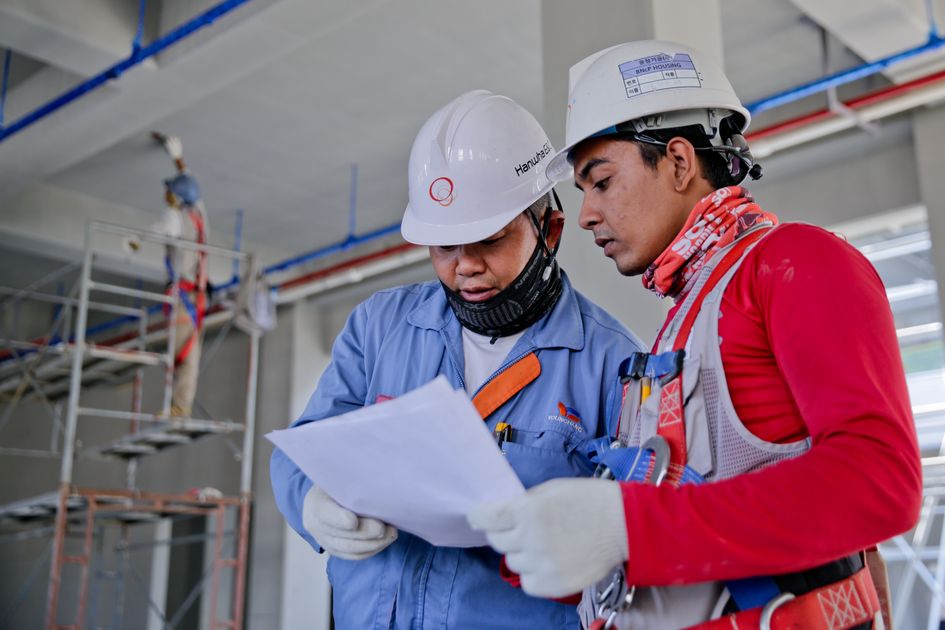
The construction phase is the longest part of the timeline. Your home is being built, along with the surrounding community infrastructure.
What Happens
- Site development: Roads, utilities, and grading are completed for your section of the community
- Foundation and framing: Your home's foundation is poured and the structure is framed
- Mechanical systems: Electrical, plumbing, HVAC, and insulation are installed
- Interior finishing: Drywall, flooring, cabinetry, fixtures, and appliances are installed
- Exterior completion: Exterior cladding, landscaping, driveways, and sidewalks are completed
- Inspections: Municipal building inspections occur at various stages to verify code compliance
Your Action Items
- Renew your mortgage pre-approval as needed
- Monitor construction progress (drive by the site periodically if convenient)
- Begin planning your move, including furniture, utilities, and address changes
- Continue maintaining your financial profile
Phase 5: Pre-Delivery and Occupancy (Months 42-48)
As construction nears completion, the process accelerates significantly. Several important steps occur in a compressed timeframe.
What Happens
- Interim occupancy notice: For some projects, the builder may provide an interim occupancy date before final closing. During interim occupancy, you move in and pay occupancy fees (essentially rent) until the municipality registers the subdivision and final closing can occur
- Pre-Delivery Inspection (PDI): You walk through your completed home with the builder to document any defects or incomplete items
- Mortgage finalization: You complete your final mortgage application. The lender orders an appraisal and conducts a full financial assessment
- Closing preparation: Your lawyer reviews closing documents, calculates the final balance owing, and prepares for the transfer of ownership
Your Action Items
- Schedule and complete your PDI thoroughly
- Finalize your mortgage with your broker or lender
- Provide all required documentation to your lawyer
- Arrange home insurance (required by your lender before closing)
- Plan your move logistics
Phase 6: Final Closing and Move-In
Final closing is when ownership of the home transfers to you. This is the culmination of the entire process.
What Happens
- Closing statement: Your lawyer provides a detailed statement showing the purchase price, deposits credited, mortgage proceeds, closing costs, and the final balance you owe
- Fund transfer: Your lawyer coordinates the transfer of funds from your mortgage lender and your personal funds to the builder's lawyer
- Title registration: The property title is registered in your name
- Key pickup: You receive the keys to your new home
Your Action Items
- Review the closing statement with your lawyer and ask questions about any line items you do not understand
- Ensure funds are available and accessible on closing day
- Set up utilities (hydro, gas, water, internet) in your name
- Move in and begin enjoying your new home
After Move-In: The First Year
Your relationship with the builder does not end at closing. The first year in your new home is covered by the Tarion warranty, and there are specific steps you should take to protect your investment.
- 30-day form: Submit any deficiencies you notice within the first 30 days to the builder
- Year-end warranty form: Before your first anniversary, submit your year-end warranty form to Tarion documenting any issues that have emerged
- Seasonal settling: New homes settle and adjust through their first full cycle of seasons. Some minor cracks, squeaks, and adjustments are normal
Planning for the Journey
The pre-construction timeline requires patience, financial discipline, and attention to detail. By understanding what to expect at each phase, you can plan effectively and avoid surprises. The extended timeline is one of the unique aspects of pre-construction purchasing, but it also provides the opportunity to enter the market, lock in pricing, and customize your home in ways that are not possible with resale purchases.
Whether you are exploring an early-phase community like The Valleys of Thornhill or considering a project further along in construction, knowing where you are entering the timeline helps you prepare for everything that comes next.
Have Questions About Pre-Construction?
Matthew Caporiccio can help you understand pricing, deposit structures, and availability at The Valleys of Thornhill and other pre-construction projects across the GTA.